We want justice for those disproportionately affected by the climate crisis: people in the global south, indigenous communities and communities of colour, women and younger generations. We want corporations to respect the planet and human rights, governments to protect and listen to their citizens, and the online world to be free from misinformation and hate.
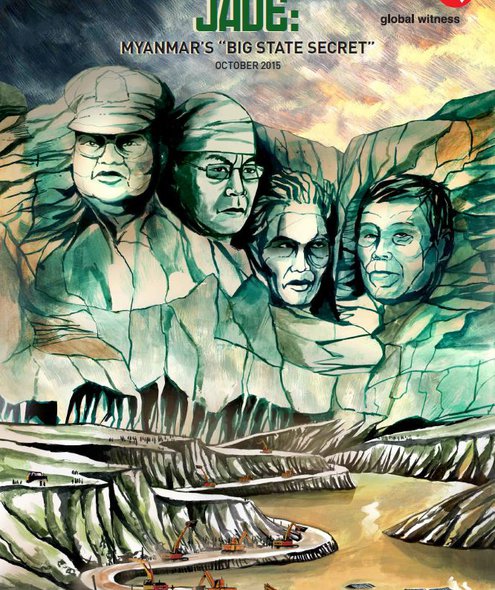
When founded in 1993, we were pioneers in seeing the link between natural resources, conflict and corruption. For over 25 years, we have investigated and exposed environmental and human rights abuses in the oil, gas, mining, and timber sectors, and tracked ill-gotten money and influence through the global financial and political system.
Today, we continue to focus on abusive actors, misuse of power and financial flows, but have turned our focus on some of the most urgent issues facing humanity: the climate emergency and attacks on civic space.
Our campaigns
We work to hold companies and governments to account for their destruction of the environment, their disregard for the planet and their failure to protect human rights via campaigns to:
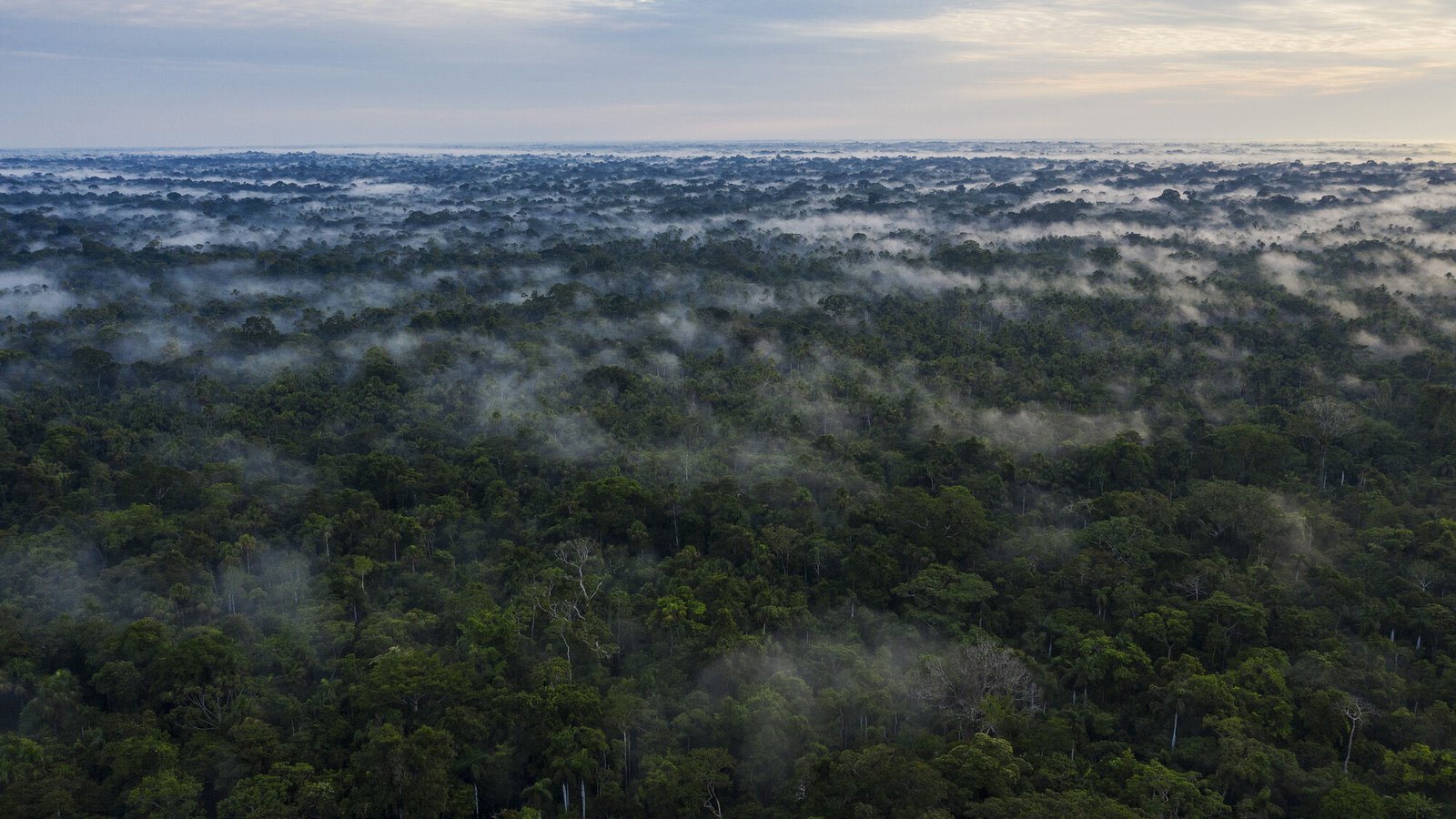
- curb the flow of finance enabling destruction of climate-critical tropical forests
- challenge industry efforts to present fossil gas as climate-friendly
- end corporate complicity in environmental and human rights abuses
- protect land and environmental defenders standing up to climate-wrecking industries
- tackle the spread of division, hate and disinformation on digital platforms
- end corporate corruption and ensure companies in the natural resource sector can no longer operate above the law
Over 25 years of creating change
How we work
Our methodology is: find the facts, expose the story, change the system.
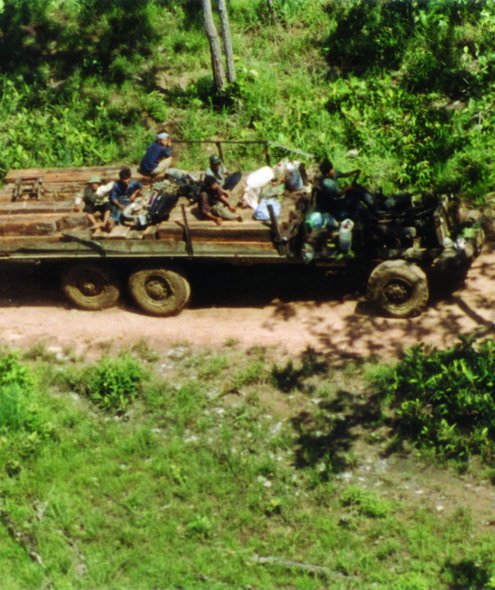
Global Witness investigations are known for their meticulous attention to detail and we use an ever-evolving variety of techniques including undercover filming and scraping and analysing open source and leaked data sets. For instance, in 2020 we conducted our most ambitious data-driven investigation to date, uncovering the illegal deforestation linked to Brazil’s biggest beef companies.
Our communications, events and partnerships bring issues to the attention of audiences around the world and onto the political agenda.
Meanwhile, through our advocacy we successfully shape and secure laws, sanctions and changes in business practice to ensure transition to a just and sustainable future.
This work is made possible by our dedicated development, finance, HR, facilities, legal and operations staff. See latest job vacancies to work for us or contact us to work with us.
Feedback
Global Witness is committed to adhering to the guidelines set out in the IPSO Editors Code.
If you have a complaint or feedback about our campaigning, research or investigative work, please contact us at [email protected]. Your comments are very welcome as they keep our standards high.
Recent impacts
How we're achieving change through investigations, advocacy and awareness-raising.
-

UK brings forwards deforestation law
Informed by our work with partners to build a strong case and mobilise support, in 2020 the UK government brought forward draft legislation to tackle deforestation in UK supply chains.
-

Global voices heard
In early 2021, our digital tool enabled almost half a million people around the world to input into the EU’s public consultation on planned legislation to hold companies to account for human rights abuses and environmental destruction.
-

Spotlight on Land and Environmental Defenders
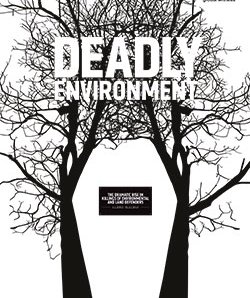
Our latest report on the threats faced by land and environmental defenders was picked up by 1000 media outlets internationally with a potential reach of over 3 billion. Defenders tell us this global awareness makes it harder for governments and companies to ignore their campaigns.
-

EU takes steps to end support for fossil gas expansion
Following months of pressure from Global Witness including a series of exposés, in 2020 the European Commission proposed in a review of its key infrastructure law to no longer support fossil gas projects.
Latest
Blogs
-
Blog Post | March 15, 2024 30 years of Global Witness
-
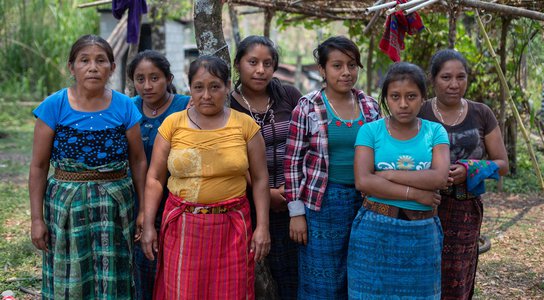
Blog Post | March 08, 2024 “She ignites a flame of inspiration within me”: The women behind our climate action
-
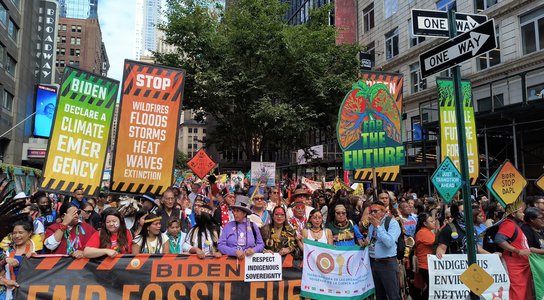
Blog Post | October 04, 2023 New York Climate Week and the road to COP28 – 5 takeaways
-
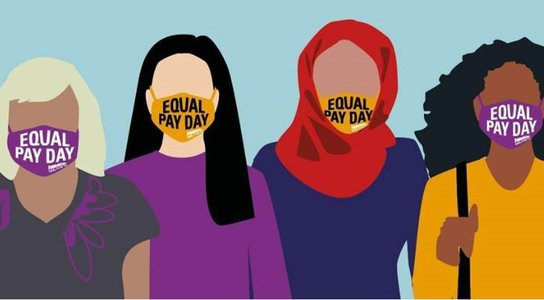
Blog Post | April 05, 2022 Our 2022 Gender Pay Gap
Annual report 2022: Rising to the challenge of a world in crisis
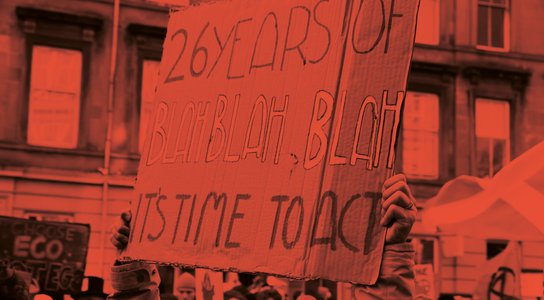
Climate action: The Road to COP26
-
Financial Statements
View Global Witness's latest Financial Statements and Form 990.
-
Governance
Find out more about Global Witness's Governance structure.
-
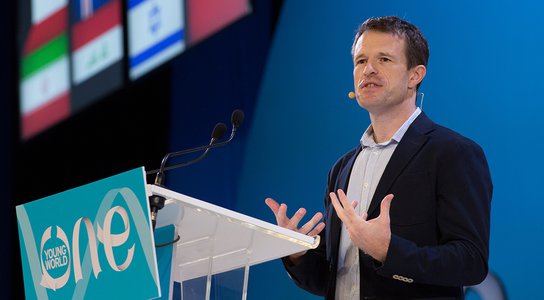
Meet our CEO
Mike Davis became Global Witness’ CEO in February 2020