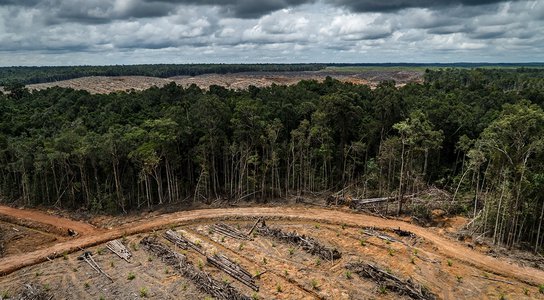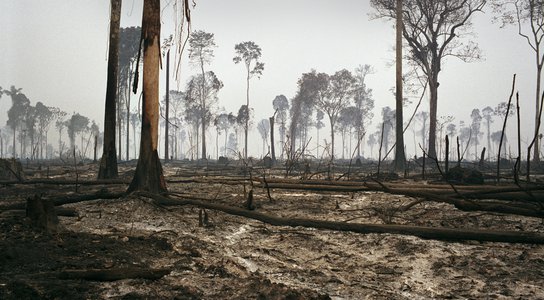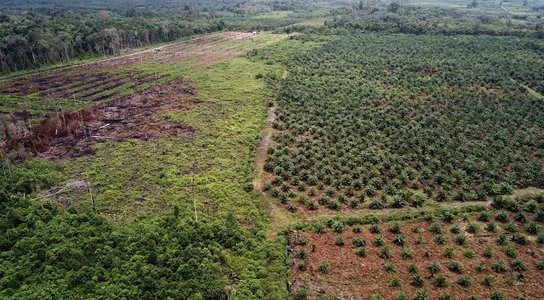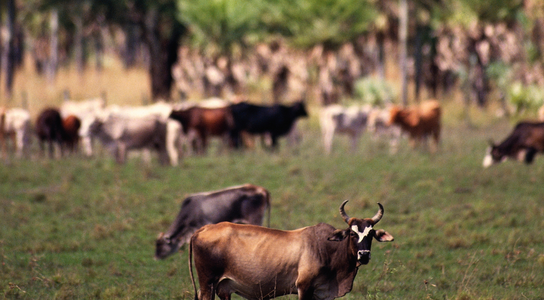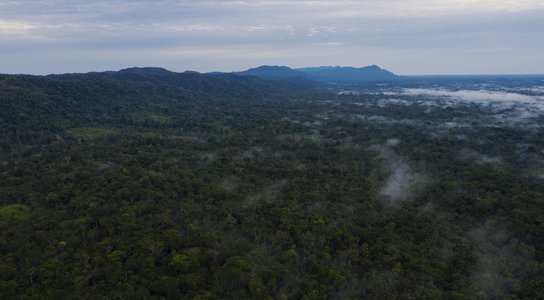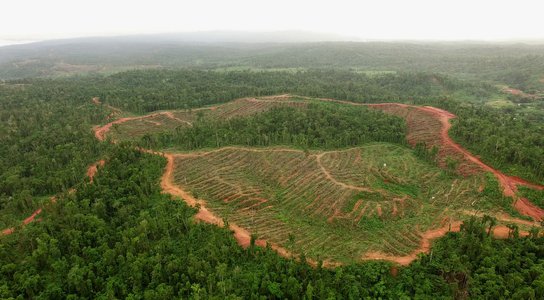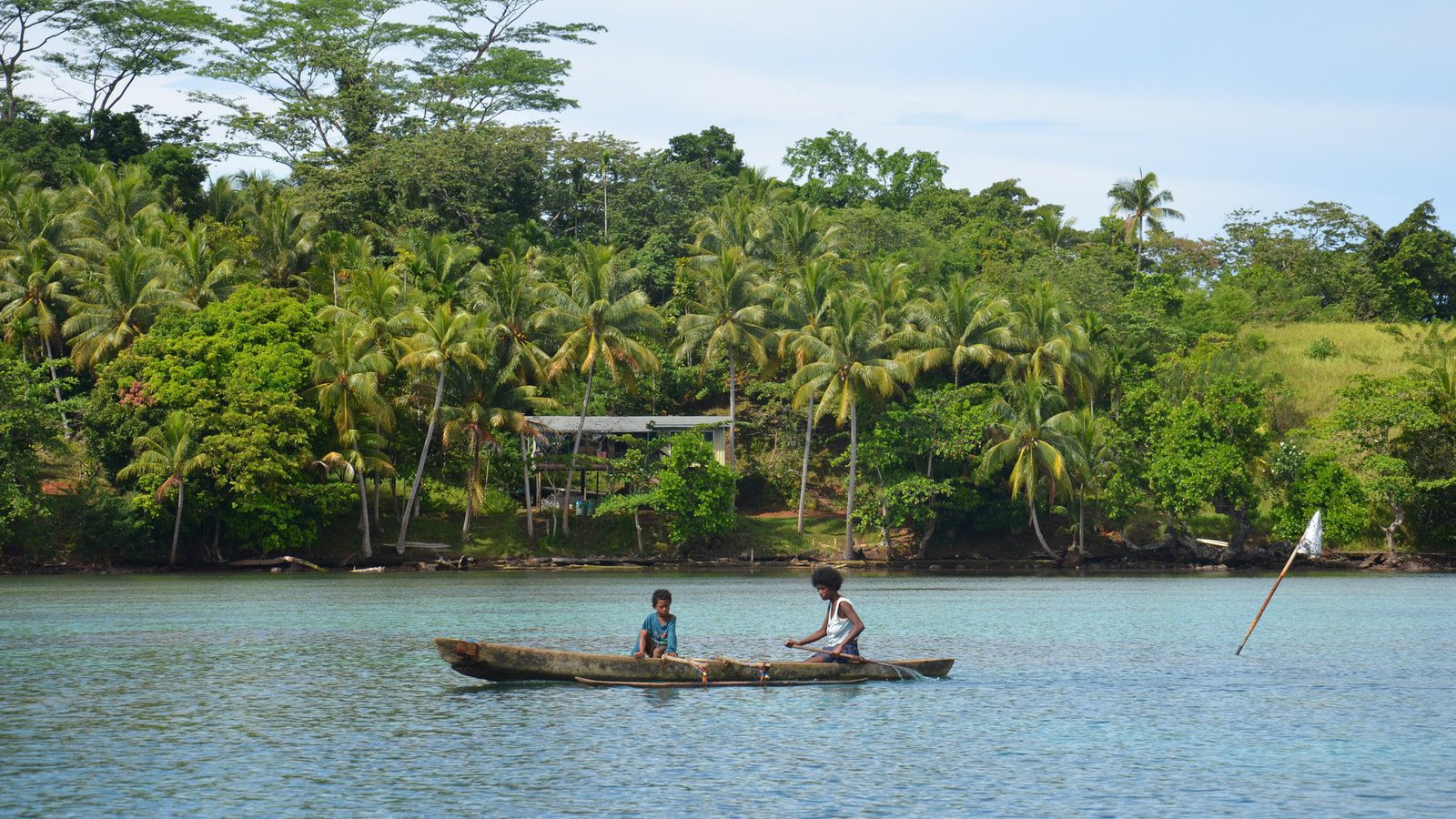
The world's forests have been declining at an alarming rate, especially over the past fifty years or so, due to industrial logging, conversion to plantations and agriculture. The 2006 Stern Review on the Economics of Climate Change found that carbon dioxide emissions from deforestation comprised 18% of total global CO2 emissions, greater than the entire transport sector combined. This finding changed the international debate on forests.
It is now widely accepted that the battle against climate change cannot be won unless global deforestation is halted. Consequently forest issues have risen high up the international agenda; most importantly with the launch of the Bali Action Plan at the 14th Conference of the Parties to the United Nations Framework Convention on Climate Change (UNFCCC), in December 2008, which brought yet another acronym to the forests debate; Reduced Emissions from Deforestation & forest Degradation (REDD).
A REDD agreement has the potential to protect forests on a global scale - a goal that has eluded policy makers, the timber industry and campaigners for decades. However, a bad REDD agreement could prove disastrous for the world's forests and the people that live in and depend upon them. Vested interests including industrial timber and agricultural are lobbying for a REDD agreement that allows ‘business as usual' forest destruction to continue. But ‘business as usual' is not a viable option if we are to win the battle against climate change.
Global Witness is determined to fight for a REDD agreement that will protect the world's forests, respect the rights of forest-dependent peoples and preserve the fantastically rich biodiversity that forests contain. See recommendations.
Global Witness is co-founder of the Ecosystems Climate Alliance (ECA), a network of environmental and social NGOs committed to keeping natural terrestrial ecosystems intact, and the carbon they contain out of the atmosphere, in an equitable and transparent way.
Read our latest reports on REDD: Trick or Treat, Vested Interests, A Decade of Experience: Lessons Learned from Independent Forest Monitoring to Inform REDD, and Building Confidence in REDD: Monitoring Beyond Carbon
Global Witness has become increasingly concerned by efforts to close the meetings and exclude civil society observers. This roll-back in transparency risks leading to distrust and does not necessarily assist the progress of the negotiations. We believe that the negotiations - and any ultimate agreement - will benefit substantially from increased openness and interaction between parties and observers. Read ECA's letter to the UNFCCC requesting transparency and openness in the COP 15 climate change meeting in Copenhagen. Open letter to the UNFCCC Secretariat
Click here to read a blog entry on the outcomes of the Copenhagen meeting by Patrick Alley, Founding Director of Global Witness.
Environmental groups call on French shipping company Delmas to cancel shipment of precious wood from Madagascar
Global Witness and the Environmental Investigation Agency (EIA) today called on French shipping company Delmas to cancel a shipment to China of hundreds of tons of rosewood from the port of Vohémar, in northeastern Madagascar. The campaign groups accuse the company of facilitating the destruction of Madagascar’s last remaining forests caused by vast illegal logging of rosewood.
Open letter to Delmas shipping company raises concerns over rosewood shipments from Madagascar
An open letter from Global Witness and the Environmental Investigation Agency (EIA) to Delmas shipping company expressing grave concerns at its involvement in the transport of timber from Madagascar which has been declared illicit by the Malagasy authorities. The groups accuse Delmas of facilitaitng the destruction Madagascar's remaining rosewood forests through illegal logging.
Link between Angolan president's son-in-law and state oil company raises questions about transparency
The son-in-law of the Angolan president has been nominated to the board of a holding company that owns a third of the Portuguese oil firm Galp Energia, which has investments in Angola. The nomination was made by the State oil company, Sonangol, which is responsible for managing Angola's oil on behalf of its citizens. This arrangement raises concerns about conflicts of interest to which Sonangol has not responded.
DR Congo: ex-rebels take over mineral trade extortion racket
Former rebels from the Congrès national pour la défense du peuple (CNDP) have established mafia-style extortion rackets covering some of the most lucrative tin and tantalum mining areas in the eastern Democratic Republic of Congo (DRC), Global Witness reported today following four weeks of research in the region.
Global Witness concerned at choice of new Ukraine energy minister
Global Witness is concerned that Yuri Boyko, a controversial figure from the murky past of Ukraine’s gas industry, has been put back in effective charge of a key gas supply route from Russia to the European Union.
Landmark oil and mining transparency initiative faces credibility test as key deadline passes
The Extractive Industries Transparency Initiative (EITI), a pioneering initiative to bring more openness to the world's oil and mining industries, faces a major credibility test after 20 out of 22 countries failed to meet a key deadline today.
Global Witness urges Cambodia’s donors to condemn sponsorship of military units by private businesses
Aid donors to Cambodia, including the US, EU, Japan, China and the World Bank, should send a strong message to the government that they will not countenance the bankrolling of Cambodia’s military by private businesses. This call follows the announcement last week by Cambodian Prime Minister Hun Sen of the formation of 42 official partnerships between private businesses and Cambodian military units.
A near miss? Lessons learnt from the allocation of mining licences in the Gola Forest Reserve in Sierra Leone
Between 2005 and 2007, two mining licences were issued in the Gola Forest Reserve in Sierra Leone, even though the area was a proposed national park. This new report identifies weaknesses in Sierra Leone's natural resource governance and attempts to draw lessons for the future.
Parliamentary committee report on libel, privacy and press freedom not strong enough to defend public interest reporting
A report on press standards, privacy and libel makes broadly sensible recommendations but does not go far enough to allay fears that England's laws are a barrier to public-interest campaigning.
Campaigners criticise proposals to define palm oil plantations as forests
The Ecosystems Climate Alliance today criticised the EU and Indonesia for attempting to reclassify palm oil plantations as forests, saying this would be a step backwards in efforts to halt climate change though preventing deforestation.
28 countries accused of facilitating money laundering … but key offenders missing
An international financial crime watchdog has named and shamed countries that are failing to stop dirty money entering the financial system, a move welcomed by Global Witness. However, conspicuously absent are major financial centres and secrecy jurisdictions, many of which also have serious weaknesses in their anti-money laundering regulations.